

Trees add beauty, shade, and character to a property, but when a tree becomes unstable or unhealthy, it can quickly turn into a hazard. Understanding the signs of trouble helps homeowners take early action before costly damage or safety risks arise. Below are the most important indicators that a tree may need immediate removal or professional assessment.
The Most Obvious Sign: Is the Tree Leaning?
A sudden or worsening lean is one of the clearest signs a tree is no longer structurally sound. While some trees grow naturally at slight angles, a new or increasing lean—especially after storms or heavy winds—suggests root instability or soil erosion. Trees that lean toward homes, driveways, or walkways pose an even higher risk, as they may fall without warning. If you notice the lean changing over time, it’s best to treat the situation as urgent.
Identifying Dangerous Fungal Growth and Decay
Fungal growth on a tree often indicates internal decay, even if the canopy still looks full and green. Mushrooms forming at the base, soft bark, or large areas of rot signal that the inner structure is weakening. Decay reduces the tree’s ability to hold its own weight, increasing the likelihood of sudden limb failure or full collapse. Once fungal growth is visible, the damage is usually advanced, making immediate action essential.
When Trunk Damage Becomes a Hazard
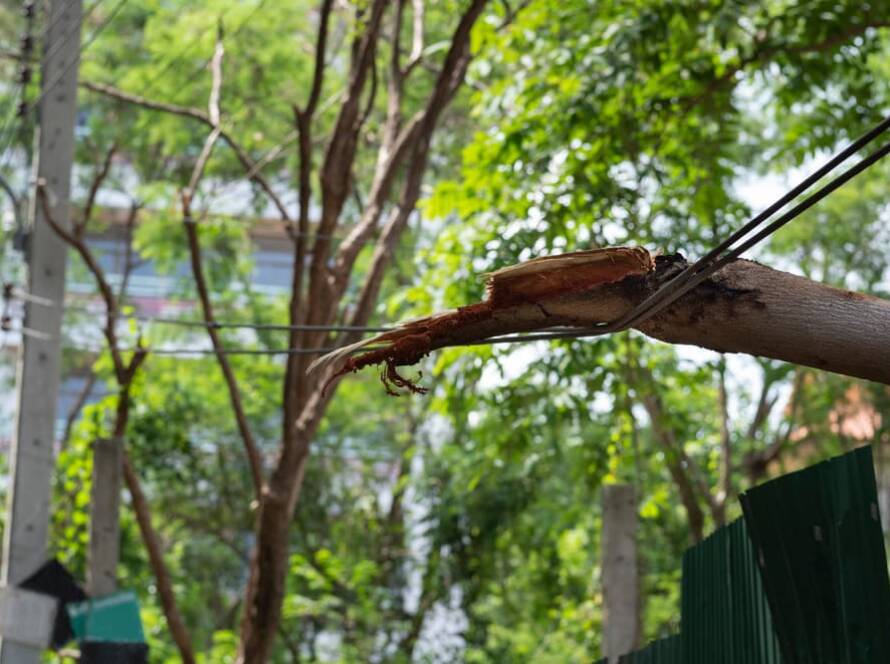
The trunk serves as the core support system for the entire tree. Large cracks, deep splits, lightning damage, or sections of missing bark weaken the tree’s integrity. Trunk wounds can also allow pests and disease to enter, accelerating decline. If the trunk damage affects more than one-third of the structure, the tree is typically considered unsafe. In these cases, removal is often the best way to prevent dangerous outcomes.
The Dangers of a Tree with a Hollow Trunk
A hollow trunk may not always show noticeable symptoms, but it significantly impacts stability. Hollowing occurs when internal decay progresses enough to eliminate supportive wood inside the tree. Even if the exterior appears mostly intact, the tree may no longer withstand strong winds or carry the weight of its branches. The larger the hollow area, the higher the likelihood of failure. Professional evaluation is crucial anytime a hollow trunk is suspected.
When to Prune Dead Branches
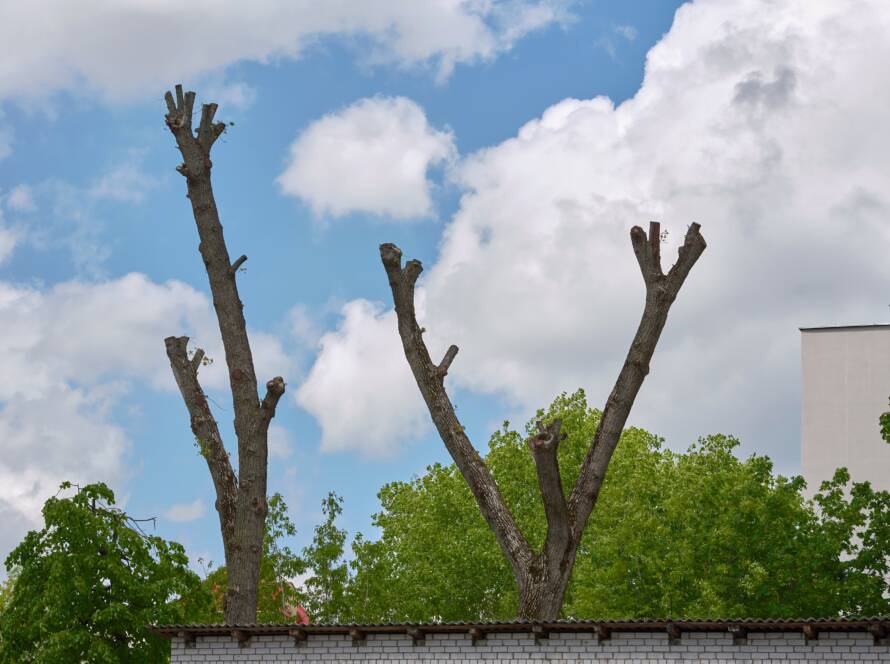
Dead branches should be pruned as soon as they are noticed, because they can fall unexpectedly and cause injuries or property damage. Deadwood is brittle and breaks easily in storms or high winds, posing a danger to people or structures below. Pruning dead branches early also helps maintain a healthy canopy by preventing decay from spreading to other parts of the tree. Regular inspection allows homeowners to catch these concerns before they escalate.
When to Trim Dead Branches from Oak Trees
Oak trees require careful seasonal timing when trimming dead branches, typically during late winter or early spring before new growth begins. This timing helps minimize the risk of attracting oak wilt, a serious fungal disease spread by insects that target fresh cuts. Removing dead branches promptly also improves structural stability, reduces hazards, and supports long-term tree health. Homeowners should avoid trimming oaks during warm seasons unless the branch poses an immediate safety threat.
When to Trim Dead Branches from Trees
In general, dead branches on any tree should be trimmed as soon as they are detected, regardless of the season. Dead limbs create unnecessary risks, weaken the tree’s overall structure, and can lead to further decay. By trimming dead branches promptly, you enhance safety and reduce the chance of additional damage spreading into healthy tissue. Routine maintenance keeps trees strong and resilient year-round.
What to Do If You Spot These Signs on Your Property
If any of these warning signs appear, the safest next step is to contact a professional tree service or emergency tree removal company for a proper assessment.
Avoid approaching unstable trees or attempting DIY removal, as damaged trees can behave unpredictably. Professionals can assess the level of risk, determine whether removal or pruning is necessary, and help you protect your property from avoidable damage. Acting quickly not only ensures safety but also helps preserve the health of surrounding trees and landscapes.