

Winter can be tough on trees, especially when freezing temperatures, heavy snow, and strong winds arrive. Without proper preparation, even healthy trees may experience broken branches, damaged roots, or stress that affects their growth in spring.
Knowing how to prepare trees for winter helps protect your landscape and reduce potential safety hazards. At Lopez Tree Services, we help Northern Virginia homeowners identify tree problems early and maintain safer, healthier properties throughout the year.
Why Winter Preparation Matters in Virginia’s Climate
Northern Virginia experiences changing temperatures, occasional ice storms, and periods of freezing weather. These conditions can stress trees and shrubs, particularly those already weakened by drought, pest and disease problems, or damage during the growing season.
Proper winter tree care in Northern Virginia focuses on strengthening root systems, identifying structural concerns, and reducing exposure to seasonal damage. Taking preventive steps before temperatures drop can also help avoid costly repairs and unexpected tree emergencies.
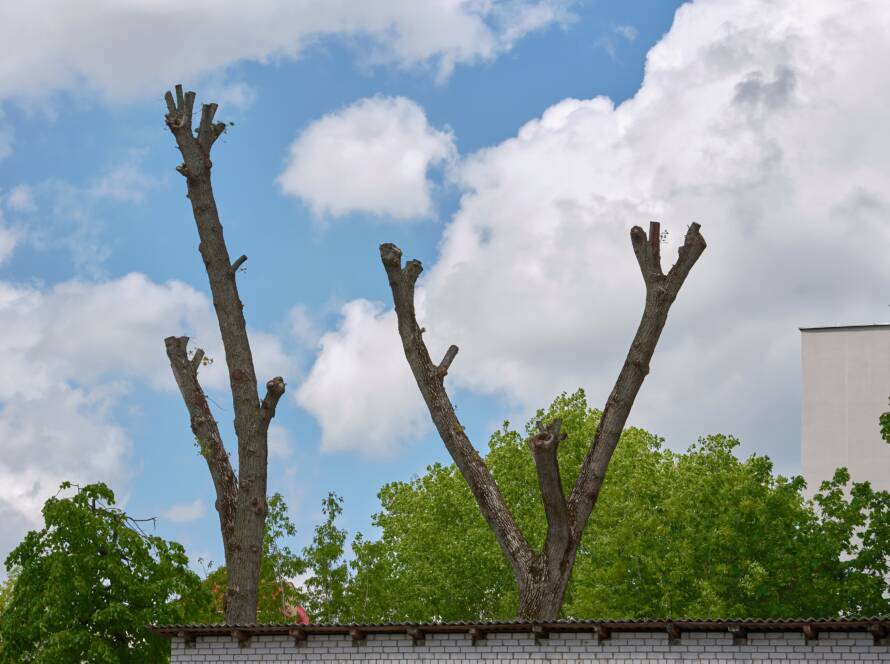
Inspect for Weak, Overhanging, or Dead Branches
One of the most important tree winterization tips is inspecting branches before winter weather arrives. Snow and ice add weight to limbs, increasing the risk of breakage, especially when branches are already damaged.
During your inspection, look for these warning signs:
- Dead branches with missing bark or visible decay.
- Cracked limbs or branches hanging over roofs and driveways.
- Unusual leaning or changes in the tree’s structure.
- Signs of pest and disease activity around branches or trunks.
If you notice concerning branches, professional tree pruning may help reduce potential hazards. However, avoid pruning healthy branches unnecessarily, since excessive cutting can stress certain tree species.
Mulching: Insulating Roots Against Frost
Mulching helps protect tree roots from temperature fluctuations while maintaining soil moisture. A properly applied layer of mulch also supports healthier soil conditions throughout the winter months.
Spread approximately two to four inches of organic mulch over the root zone, extending outward where practical. Keep mulch several inches away from the base of the tree to prevent excess moisture against the trunk.
Wood chips and shredded bark are common options for insulating roots. Avoid piling mulch against the trunk, as this can encourage decay and create favorable conditions for pests.
Deep Watering Before the Ground Freezes
Trees still need moisture as they transition into dormancy. Dry soil can increase winter stress, especially for young trees and evergreens that continue losing moisture through their foliage.
Before the ground freezes, water your trees deeply when rainfall has been insufficient. Focus on the root zone rather than watering directly against the trunk, allowing moisture to reach the surrounding soil.
Deep watering is particularly important during dry fall conditions. However, avoid overwatering saturated soil, since excessive moisture can damage roots and limit oxygen availability.
Young and Newly Planted Trees: Extra Steps They Need
Newly planted trees require additional attention because their root systems are still developing. Without established roots, they may be more vulnerable to freezing temperatures, dehydration, and winter damage.
To protect tree health during colder months, consider these precautions:
- Maintain mulch: Apply a protective layer around the root zone without covering the trunk.
- Monitor moisture: Check soil conditions and provide water during dry periods when the ground is unfrozen.
- Protect trunks: Use an appropriate tree wrap when necessary to reduce sunscald or animal damage.
- Inspect supports: Check stakes and ties to ensure they are not restricting growth.
Different tree species have different winter requirements. Understanding these needs helps young trees establish healthy roots and recover more successfully when spring arrives.
What to Do If You Find Damage During Inspection
Finding cracks, broken limbs, or signs of decay during fall tree maintenance in Virginia should not be ignored. Some problems may worsen under the additional weight of ice and snow.
Start by observing the damage from a safe distance. Avoid climbing damaged trees, pulling down hanging branches, or attempting to remove large limbs without proper equipment.
If a tree appears unstable or threatens nearby structures, contact a professional for an assessment. Lopez Tree Services also provides emergency tree services when hazardous conditions require urgent attention.
When to Call a Professional Before Winter Sets In
While homeowners can handle basic mulching and watering, some winter preparation tasks require professional experience. Large trees, structural defects, and branches near buildings or power lines should be evaluated by qualified professionals.
A professional tree service can help determine whether pruning, branch removal, or additional maintenance is appropriate. This is especially useful when preparing mature trees for unpredictable winter conditions.
Homeowners seeking tree care in Arlington, Falls Church, or Great Falls can benefit from addressing potential hazards before severe weather develops. The same preventive approach applies to residential landscapes in McLean and Fairfax, where mature trees often grow near homes and outdoor structures.
Get Your Trees Ready for Winter with Lopez Tree Services
Preparing your trees before winter helps protect your property while supporting healthier growth in the seasons ahead. From inspecting dead branches to maintaining moisture and mulch, small preventive measures can make a meaningful difference.
At Lopez Tree Services, we provide professional tree care for homeowners throughout Northern Virginia and our surrounding service areas. Contact our team today to discuss your tree maintenance needs and prepare your landscape for the colder months.