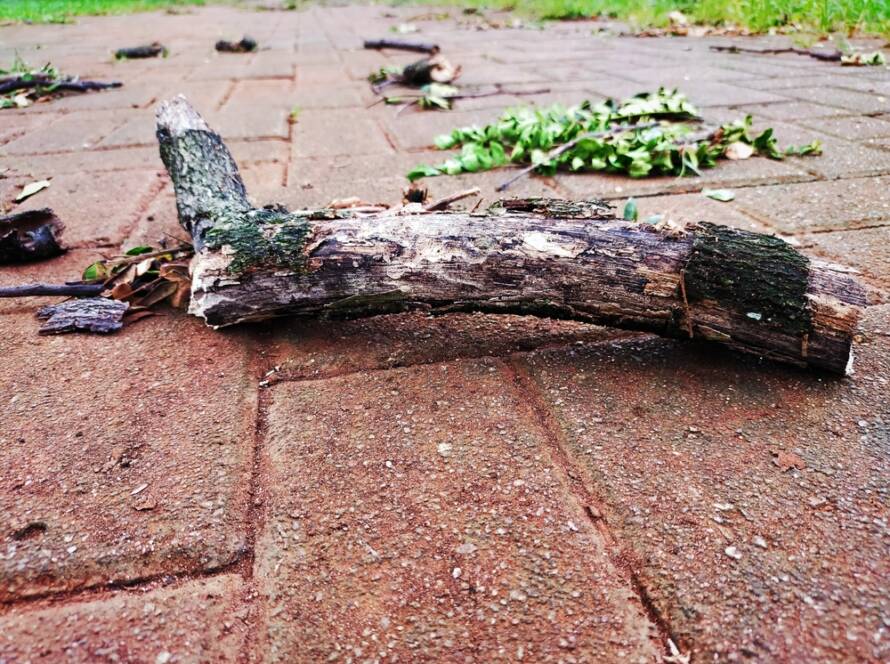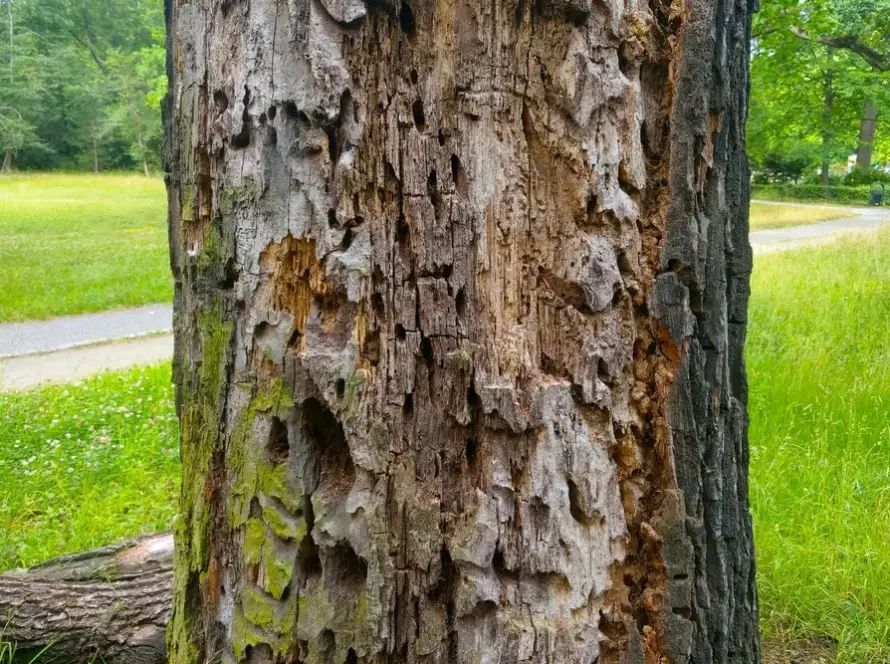


Severe weather can strike without warning, leaving fallen branches, cracked trunks, and uprooted trees across your property. Knowing what to do in the immediate aftermath is essential for your safety and for minimizing damage to your home. If your yard is hit hard, storm damage tree removal often becomes an urgent priority. This guide walks you through the steps to take right after a storm and how to get fast, professional help when you need it most.
Step 1: Ensure Your Family’s Safety First
Before checking the yard or inspecting your home, make sure everyone in your household is safe and accounted for. Downed power lines, unstable trees, and hidden debris can pose serious risks. Keep children and pets indoors until the area has been properly evaluated. If a tree has fallen onto your home, exit the structure immediately and avoid using electrical appliances. Prioritizing safety ensures that no further harm occurs while you prepare to handle the situation.
Step 2: Assess the Damage from a Safe Distance
Once you confirm it’s safe to step outside, carefully look around your property from a wide, safe perimeter. Avoid walking directly under leaning trees, cracked limbs, or branches lodged on rooftops. These unstable structures can collapse with even minor pressure or movement. Take note of partial breaks, split trunks, damaged roots, and any trees leaning toward your home, driveway, or power sources. A proper assessment helps emergency crews understand the urgency and type of service required.
Step 3: Document the Damage for Insurance Purposes
Insurance claims move faster when you can provide clear documentation. Take photos and videos of all tree-related damage, including fallen limbs, structural impact, fence damage, and debris in your yard. Capture multiple angles and note the date and time. This evidence helps insurance adjusters verify the extent of damage, determine coverage, and process your claim more efficiently. Avoid moving anything unless necessary for safety—insurers prefer to see the property as close to the original condition as possible.
Step 4: What to Look for in a 24/7 Emergency Tree Service
Storm damage requires immediate, skilled attention. When choosing a professional, ensure they offer round-the-clock availability and can respond quickly during high-demand situations. Look for a company with certified arborists, proper insurance, emergency equipment, and experience handling hazardous removals. Storm-damaged trees are unpredictable, and only trained specialists should perform high-risk removals, especially when electrical lines or unstable structures are involved. Choosing the right team protects your property and prevents further complications.
Common Types of Storm Damage We Handle Immediately
Strong winds, heavy rain, and lightning can all leave behind different kinds of tree damage. Emergency crews often respond to uprooted trees blocking driveways, cracked or split trunks threatening structures, broken branches suspended dangerously overhead, and fallen limbs crushing roofs or vehicles. Quick action helps stabilize the area, prevent additional hazards, and restore safety to your home environment. Whether it’s a minor branch break or a full-scale tree failure, prompt professional service makes all the difference after a major storm.
Wondering storm damage tree removal near me? Lopez Tree Service provides fast, safe, and professional emergency response. Contact us now for immediate help securing your property and removing hazardous storm-damaged trees.