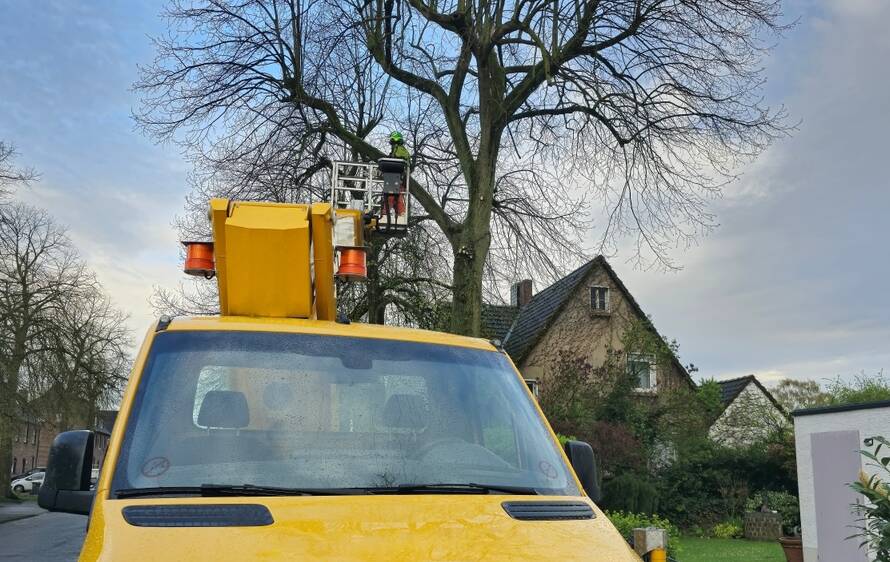


Pruning at the wrong time can remove spring flowers, encourage vulnerable growth, or expose susceptible trees to disease. The best time to prune trees in Virginia depends on species, condition, and the reason for cutting.
At Lopez Tree Services, we help homeowners plan maintenance around those differences. For many trees, winter offers a practical opportunity to improve structure before spring growth begins. Oaks, flowering trees, and damaged limbs need more specific timing.
The Short Answer: Late Winter for Most Virginia Trees
Late winter or early spring, before buds open, is generally the right time to prune many deciduous trees. Virginia Cooperative Extension recommends this window because new tissue forms rapidly as growth resumes. Fairfax County also recommends pruning during winter dormancy.
Determining when to prune trees starts with identifying the species and checking its health. A calendar provides guidance, but weather and developing buds matter, too. Our tree pruning in Fairfax helps homeowners address maintenance needs with their trees and surrounding property in mind.
Why Early Fall Pruning Is a Common Mistake
Cooler weather does not automatically mean a tree is ready for pruning. Cutting in late summer or early fall can stimulate new shoots that remain tender when freezing temperatures arrive.
That growth may suffer cold injury before it hardens. For routine shaping, we generally avoid pruning during this transition and choose a suitable dormant window instead. Hazardous branches require separate consideration.
Benefits of Dormant Pruning
The main dormant pruning benefits involve visibility, seasonal growth patterns, and managing exposure to certain pests. However, dormant pruning still requires careful decisions about which branches to remove and how much living foliage the tree can afford to lose.
Cuts Close Faster Right Before Spring Growth
Trees seal wounds by growing tissue around them; cut branches do not regenerate like injured skin. Pruning in late winter positions appropriate cuts close to the period when active growth supports wound closure.
Correctly placed pruning cuts preserve the branch collar, the swollen attachment area where a branch joins the trunk. Timing cannot compensate for oversized wounds, torn bark, or excessive cutting.
A Clearer View of Branch Structure
Without leaves obscuring the tree canopy, branch attachments and competing stems become easier to examine. This visibility supports structural pruning, particularly when developing young trees.
We can more clearly identify:
- Branches crossing or rubbing against one another.
- Competing upright stems that need evaluation.
- Broken limbs hanging above occupied areas.
- Growth interfering with roofs, driveways, or walkways.
Selective work supports long-term tree management while reducing the risk associated with identifiable branch defects. It cannot eliminate every possibility of storm failure.
Fewer Insects and Diseases at Fresh Cuts
Some insects that carry tree pathogens are less active during colder weather. Choosing an appropriate dormant window can reduce exposure at fresh wounds on susceptible species.
Disease concerns include oak wilt in oaks and Dutch elm disease in elms. These risks require species-specific planning. Winter does not eliminate infection risk, and suspected diseased branches need assessment before you decide on treatment.
The Oak Exception: Prune in November and December
Oaks deserve their own schedule. Virginia Cooperative Extension’s deciduous tree pruning calendar identifies November and December as preferred pruning months and marks March through August as periods to avoid routine work.
Pruning wounds can attract insects that spread oak wilt where the disease occurs. We consider species, seasonal insect activity, and current local guidance rather than assuming every oak faces the same infection risk.
With November underway, this is a useful time to schedule an oak assessment. Homeowners planning to prune in winter should identify their trees first; the ideal window for an oak can differ from that of another shade tree.
Trees to Prune at Other Times of Year
The best times to prune trees vary with flowering habits, species, and maintenance goals. Before deciding to prune trees and shrubs, consider these exceptions:
- Spring-flowering ornamentals: Pruning after flowering can preserve the current season’s blooms on plants that flower on old wood.
- Maples and birches: Late-winter cuts may produce noticeable sap flow. This is often cosmetic, but timing can be adjusted by species.
- Fruit trees: We generally prune fruit trees in late winter after severe cold has passed, with species-specific adjustments.
- Evergreens: Timing depends on species and growth patterns; deciduous-tree schedules do not apply universally.
Limited corrective pruning during the growing season may be appropriate. Heavy cutting requires greater caution.
When Pruning Can’t Wait: Storm Damage and Hazard Limbs
A seasonal maintenance schedule should never delay assessment of a hanging limb, split branch, or fresh storm damage. Keep people away from affected areas and request professional help.
For branches touching power lines, stay clear and contact the utility. Never attempt to move a limb that could be energized or unstable.
Our tree services in Great Falls address damaged trees and property concerns. We evaluate whether to remove dead or broken branches, perform selective pruning, or recommend removal when necessary. Leafless branches alone do not prove a tree is dead during the dormant season.
Schedule Winter Tree Pruning with Lopez Tree Services
Plan winter tree pruning in Northern Virginia around your trees’ needs. Contact Lopez Tree Services for a free estimate. Our Alexandria tree service helps homeowners arrange professional care with property protection and cleanup in mind.