

November brings bare branches and changing landscapes across Northern Virginia. But when a tree loses its leaves, how can you tell whether it’s resting for winter or struggling to survive?
Understanding the difference between a dead tree and a dormant tree can prevent unnecessary removal and help identify potential hazards. At Lopez Tree Services, we help homeowners recognize warning signs and determine when professional tree care is needed.
Why Healthy Trees Look Dead in November
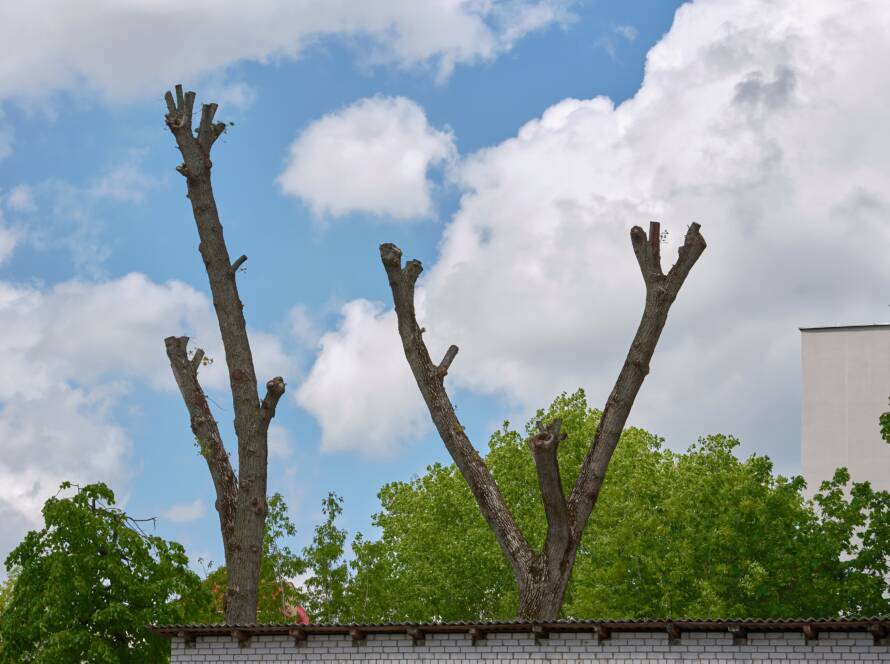
Most deciduous trees enter dormancy as temperatures drop and daylight decreases. During this natural resting period, healthy trees conserve energy, stop producing new leaves, and slow their growth until spring.
Bare branches aren’t necessarily evidence that a tree is dying. Maples, oaks, and other common Northern Virginia species can appear lifeless throughout winter while their roots and living tissues remain active.
How This Year’s Drought Blurs the Line
Virginia experienced its worst drought in nearly 20 years during 2026, with Fairfax County among the affected areas. Prolonged dryness has placed additional stress on local trees, sometimes causing leaves to brown or fall earlier than expected.
Drought-stressed trees may enter dormancy early, making seasonal changes harder to interpret. However, prolonged moisture shortages can also cause root damage and branch dieback. If you’re concerned about unusual leaf loss, professional tree assessments in Fairfax can help distinguish temporary stress from serious decline.
3 Quick Tests to Tell if a Tree Is Dead or Dormant
Wondering, “Is my tree dead or dormant?” Three simple observations can provide useful clues without specialized equipment. These checks are especially helpful when learning how to tell if a tree is dead in winter.
The Scratch Test: Green, Moist Tissue Under the Bark
The scratch test involves gently removing a tiny section of bark from a small, reachable twig. Green, slightly moist tissue underneath generally indicates living wood, while dry, brown tissue suggests that section may be dead.
Check several accessible twigs because individual branches can die while the rest of the tree survives. Avoid cutting deeply into the bark or damaging the trunk.
The Snap Test: Twigs That Bend vs. Branches That Snap
Living twigs typically retain some flexibility, while dead branches often feel brittle and break easily. Carefully bending a small, reachable twig can help reveal whether its tissues remain healthy.
However, flexibility varies by species and temperature. A twig that snaps isn’t definitive proof that the entire tree dies or has already died, so combine this observation with other tests.
The Bud Check: Plump Buds at the Branch Tips
Healthy trees often develop buds before winter, protecting next season’s leaves and flowers. Look for firm, well-formed buds along accessible branches, particularly near their tips.
Shriveled or missing buds may indicate damage, although bud appearance differs between species. When several branches show concerning results, a professional assessment offers a more reliable answer.
Signs of a Dead Tree You Shouldn’t Ignore
While seasonal leaf loss is normal, certain structural changes deserve attention. Recognizing the signs of a dead tree helps homeowners identify problems that may threaten nearby buildings or outdoor spaces.
Bark Peeling Away in Sheets or Cracks in the Trunk
Large sections of detached bark, exposed dead wood, or deep trunk cracks can indicate significant damage. Some trees naturally shed bark, however, so the species and overall condition matter.
Watch for expanding cracks, cavities, or sections of the canopy that remain lifeless during the growing season. These warning signs deserve closer inspection, particularly when the tree stands near your home.
Mushrooms, Conks, or Carpenter Ants at the Base
Fungal growth around the base of the tree may indicate decaying wood or compromised roots. Shelf-like mushrooms, known as conks, can sometimes signal internal decay.
Carpenter ants may also inhabit damaged wood, although their presence alone doesn’t prove a tree is dead. When these symptoms accompany leaning or structural weakness, professional evaluation becomes especially important.
Northern Virginia Red Flags: Ash, Beech, and Oak Decline
Certain regional tree species face additional threats beyond seasonal dormancy. Understanding these problems helps homeowners recognize when unusual symptoms warrant attention.
- Ash trees: Emerald ash borer infestations can cause canopy thinning, bark damage, and extensive branch dieback.
- Beech trees: Beech leaf disease can produce dark leaf banding, curling, and progressive canopy deterioration.
- Oak trees: Drought, root disturbance, and other environmental stresses can contribute to gradual oak decline.
Beech trees may naturally retain brown leaves during winter, making appearance alone misleading. Our tree services in Great Falls help property owners address concerning tree conditions through appropriate pruning, maintenance, or removal when necessary.
Partly Dead vs. Fully Dead: Can the Tree Be Saved?
A tree with dead branches isn’t necessarily beyond recovery. If living tissue remains throughout much of the canopy and the root system is functioning, selective pruning and appropriate care may help preserve it.
Recovery depends on the underlying cause, severity of damage, and species involved. Root damage, extensive decay, or widespread canopy death can significantly reduce survival prospects.
For trees that are dead or dying, certified arborists can evaluate structural stability and recommend suitable next steps. A completely dead tree cannot recover, but a stressed or partially damaged tree may still have viable options.
Why It Matters Before Winter Storms
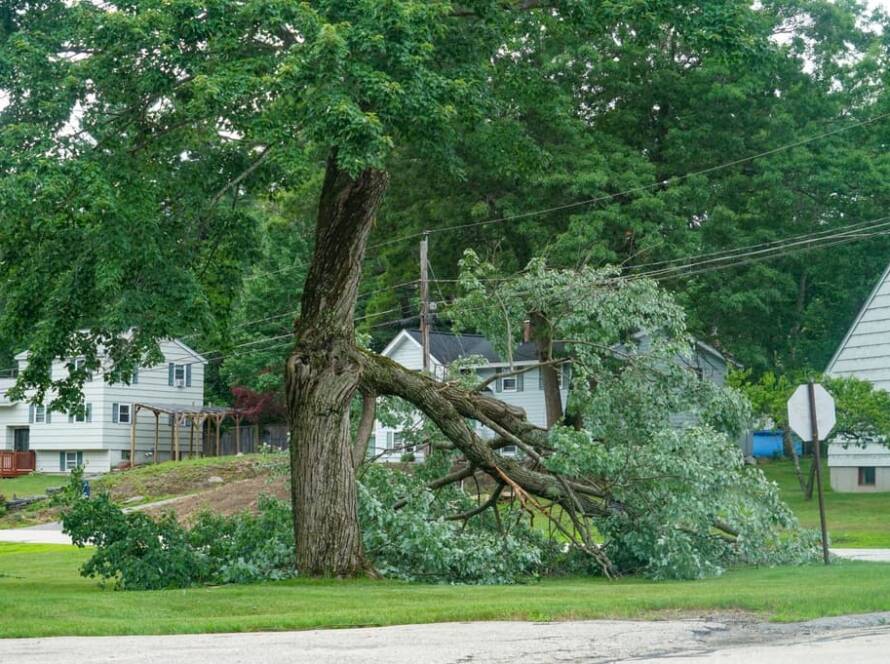
Winter weather can expose weaknesses that remain unnoticed during warmer months. Snow, ice, and strong winds place additional pressure on damaged limbs and unstable trunks.
Dead or dying trees remain a concern even after their leaves fall. Before severe weather arrives, consider these precautions:
- Check for hanging limbs or recently broken branches.
- Watch for leaning trunks or visible soil movement around roots.
- Keep people away from trees showing serious structural damage.
- Arrange professional inspections when potential hazards are present.
Early attention can reduce avoidable risks and help protect your property. Never climb a questionable tree or attempt to remove large damaged branches yourself.
Tree Assessments in Northern Virginia: Lopez Tree Services
Determining whether a tree is dead or dormant requires more than checking for missing leaves. Seasonal changes, drought stress, disease, and structural damage can produce similar symptoms, making professional guidance valuable.
At Lopez Tree Services, our team provides tree trimming, pruning, removal, and related services throughout Northern Virginia. Whether you need an inspection in Great Falls or an Alexandria tree service, we’re here to help you understand your options.
Concerned about a tree on your property? Contact Lopez Tree Services at 703-419-0890 to request a free estimate and discuss the next steps for your trees.