

When temperatures drop and snow begins to fall, your trees face challenges that can affect their long-term health and safety. Heavy snow, ice accumulation, and cold winds can cause stress and even structural damage. But with the right winter tree care approach, you can protect your trees from seasonal damage and ensure they thrive once spring returns.
From pruning to storm preparation, winter offers unique opportunities to strengthen your trees and minimize risks. Let’s explore what steps you can take to keep your landscape healthy and resilient through the coldest months of the year.
Why Winter is Ideal for Tree Pruning
It may seem counterintuitive, but tree pruning in winter is one of the best things you can do for your trees. During this dormant season, trees conserve their energy, and without active leaf growth, arborists can easily assess branch structure and identify weak or diseased limbs.
Winter pruning reduces the risk of disease transmission, as many harmful fungi and pests are inactive during cold weather. This means cuts heal faster in spring when growth resumes. Pruning in the winter also helps shape your trees and prevent branches from breaking under the weight of ice and snow later in the season.
Professional pruning promotes better air circulation and light penetration, encouraging healthy new growth once warmer temperatures arrive. It’s also safer and more efficient since frozen ground minimizes landscape disruption and makes equipment access easier.
Protecting Trees from Ice, Snow, and Winter Storms
Heavy snowfall and ice accumulation can be harsh on your trees, especially young, ornamental, or shallow-rooted species. Protecting trees from snow begins before the first storm hits. Gently tie or wrap vulnerable branches using soft materials to prevent breakage. For evergreens, shake off accumulated snow gently rather than letting it pile up, which can cause limbs to snap.
Here are a few essential steps to help safeguard your trees through winter weather:
- Support weak or young trees: Use stakes or ties to help small or newly planted trees withstand strong winds and heavy snow.
- Wrap trunks and branches: Apply burlap or breathable wraps around sensitive trees to prevent cracking and winter burn.
- Mulch the base: Spread 2–4 inches of organic mulch, like wood chips or shredded bark, around the root zone to insulate roots and maintain soil moisture.
- Avoid piling mulch against the trunk: Keep mulch a few inches away from the base to prevent rot and pest problems.
- Gently remove heavy snow: Use a broom or your hand to brush off excess snow from branches. Never shake frozen limbs, as they can easily snap.
- Inspect regularly: Check for leaning trees, split bark, or damaged limbs after storms so you can act quickly to prevent further issues.
In areas prone to freezing rain or strong winds, consider using windbreaks or temporary covers to protect exposed trees. Regular inspections throughout winter help you catch early signs of stress before they become serious hazards.
Emergency Tree Removal During Winter
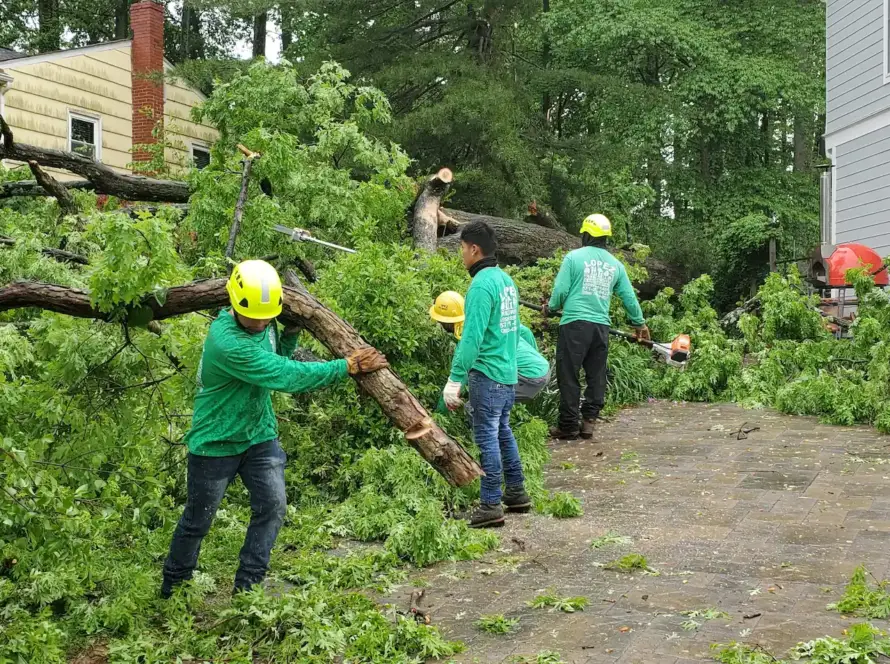
Even with preparation, winter storm tree damage can occur. Ice-laden branches may crack, or entire trees can topple under extreme conditions. When that happens, quick action is essential to protect your property and ensure safety.
Emergency tree removal during the winter requires professional equipment and expertise. Attempting to handle large, damaged trees on your own can be dangerous. Trained arborists have the right tools to assess the situation safely and remove hazardous limbs or entire trees without further property damage.
Professional crews can also help you determine whether a tree can be saved through cabling or trimming, or if it poses too great a risk. Acting quickly after a winter storm not only protects your home but also helps preserve nearby healthy trees that could be impacted by falling debris or shifting soil.
Preparing Trees for Spring Growth After Winter
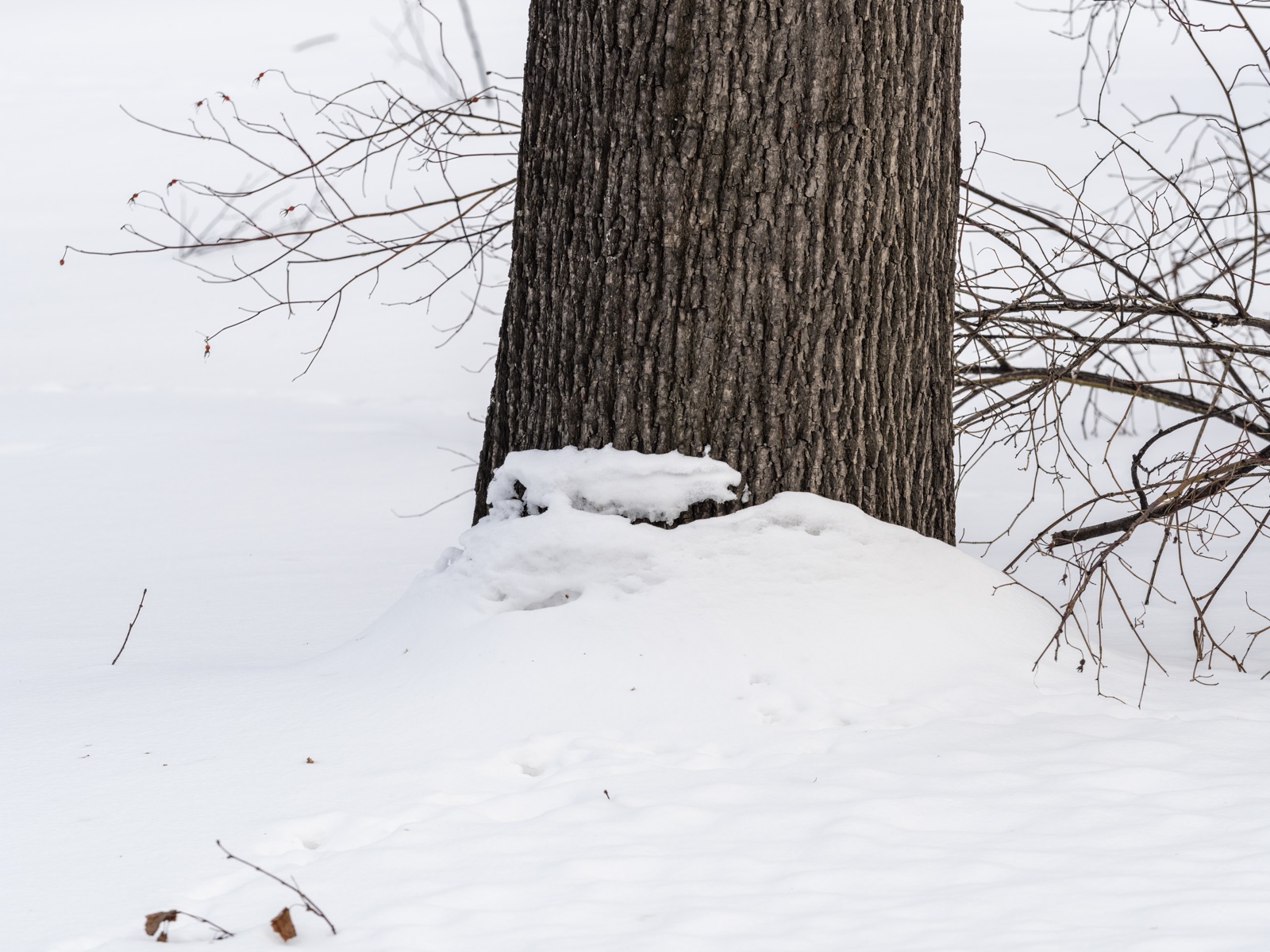
Once the cold begins to fade, your trees start transitioning toward new growth. The care you give them in late winter directly affects their spring vitality. Begin by inspecting for any broken branches or lingering signs of winter storm tree damage. Remove debris from around the base of trees and reapply mulch if it has compacted or washed away.
Essential Late-Winter Steps for Healthy Spring Growth
- Inspect and clean up: Remove dead or damaged limbs, clear fallen debris, and check for cracks or frost injury on bark.
- Replenish mulch: Add a fresh layer of organic mulch to maintain soil moisture and protect roots from fluctuating temperatures.
- Feed your trees: Apply a slow-release fertilizer to encourage root development and balanced spring growth.
- Check for pests or disease: Examine bark and branches for signs of infestation or fungal growth, especially after a harsh winter.
- Water on warmer days: When the ground isn’t frozen, water deeply to help trees recover from winter dehydration.
Hydration and nourishment now will give your trees a strong start, allowing them to produce lush, vibrant foliage once temperatures rise. Preventive care in late winter reduces the need for emergency services later.
Schedule Your Winter Tree Care Service Today
Proactive maintenance is the best defense against winter damage. At Lopez Tree Service, our certified arborists specialize in seasonal care designed to keep your trees safe and strong all year long. Whether you need expert pruning, storm cleanup, or emergency removal, our team is equipped to handle it all—efficiently and safely.
Scheduling your winter tree care service now ensures your trees are well-prepared for the cold and ready to thrive when spring arrives. Contact us today to schedule an inspection. Don’t wait for a storm to test your landscape, protect your property, and give your trees the professional care they deserve.